

 See My Latest Article on HelloNation

Setting the right asking price is one of the most consequential decisions a homeowner makes before listing a property. A price that reflects current buyer expectations, the home’s condition, and nearby competition can attract serious interest without leaving money on the table.
What does the asking price need to accomplish?
The asking price should position the home where likely buyers will notice it, compare it favorably with similar properties, and feel that the value is reasonable. It is not simply a target based on what the owner hopes to receive.
A well-supported price should:
- Reflect recent sales of similar homes
- Account for the property’s condition and improvements
- Fit current buyer demand and available inventory
- Leave room for normal negotiation without becoming unrealistic
- Encourage showings during the first few weeks on the market
The first period after a listing becomes available often receives the most attention. If the price is too high, buyers may skip the home, and later price reductions can create the impression that the property has been difficult to sell.
How are comparable home sales used?
Comparable sales, often called “comps,” are recently sold homes that share meaningful characteristics with the property being priced. The most useful comparisons usually have similar features, including:
- Location within the community
- Living area and lot size
- Number of bedrooms and bathrooms
- Age and architectural style
- Garage capacity and outdoor spaces
- Overall condition and level of updating
A recently sold home is generally more useful than an older sale because housing conditions can change over time. However, a nearby property is not automatically a good comparable. A smaller home with extensive renovations may not provide a fair benchmark for a larger home with older finishes.
Pending and active listings can also provide context, but they should not be treated the same as closed sales. Active listings show the competition, while pending listings may suggest what buyers are currently accepting. Neither confirms the final price until the transaction closes.
Why does condition matter so much?
Two homes with similar square footage can have very different market values because buyers respond to condition, maintenance, and expected future expenses.
Factors that may support a higher price include:
- A newer roof, furnace, air-conditioning system, or water heater
- Updated kitchens and bathrooms
- Fresh interior paint and well-maintained flooring
- Functional landscaping and outdoor areas
- Energy-efficient windows or insulation improvements
- A finished basement or other permitted living space
Condition should be evaluated realistically. A new light fixture or neutral paint may improve presentation, but it usually does not justify the same price increase as a major structural, mechanical, or functional improvement.
In Greeley, seasonal weather can make exterior maintenance especially noticeable. Roof condition, drainage, fencing, irrigation, siding, and landscaping may receive close attention from buyers. A home that is priced as fully updated but still needs substantial outdoor or mechanical work may struggle to meet buyer expectations.
How should improvements be valued?
Home improvements rarely add their full cost to the asking price. Their value depends on how buyers view the improvement compared with other homes available in the same price range.
For example, replacing worn flooring may help a home compete, but it may not increase the value by the exact amount spent. A permitted addition, updated primary bathroom, or well-executed kitchen renovation may have a stronger effect, especially if comparable homes lack those features.
Consider each improvement in terms of:
- Whether it is common or unusual for the neighborhood
- Whether the work was completed professionally and properly permitted when required
- How recently it was completed
- Whether the design appeals to a broad range of buyers
- Whether the improvement reduces future maintenance or replacement costs
Over-improving can also create a pricing problem. A highly customized home may be attractive, but buyers may not pay dollar-for-dollar for features that reflect personal taste rather than broad market demand.
Should the price be based on the tax assessment?
No. A property tax assessment is not the same as a current market valuation.
Tax assessments are prepared for taxation purposes and may follow different schedules, methods, and timing than a buyer’s market analysis. The assessed value may be higher or lower than what buyers would reasonably pay. It can be useful for understanding a property’s tax history, but it should not be the primary basis for setting an asking price.
The same caution applies to online valuation estimates. Automated tools can be helpful as a rough starting point, but they may not recognize interior condition, permitted improvements, lot differences, view corridors, deferred maintenance, or neighborhood-level variations.
How do local housing patterns affect pricing?
Pricing should reflect the type of property and the buyers most likely to consider it. In Greeley, housing choices include established neighborhoods, newer construction, attached homes, larger lots, and properties with different commuting and household-use patterns.
Buyers may compare homes based on more than bedroom count. They may also consider:
- Distance to employment areas, schools, parks, and daily services
- Access to major roads and the effect of traffic or travel time
- Lot usability, fencing, and storage
- Snow removal, irrigation, and ongoing exterior maintenance
- Basement finish, garage space, and room flexibility
- Utility costs and the age of major systems
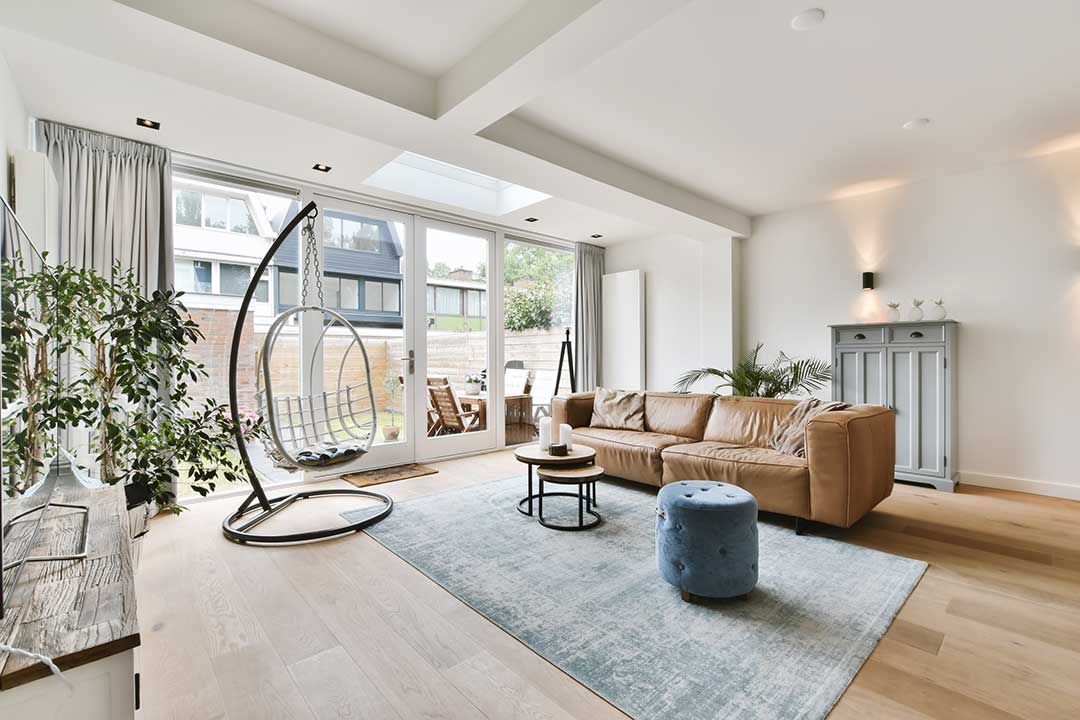
These factors do not affect every buyer equally. A household seeking a low-maintenance property may value an attached home differently from a buyer who needs a large yard or workshop space. The asking price should account for the most likely comparison set rather than trying to appeal to every possible buyer.
What price range will buyers actually see?
Small pricing differences can affect which buyers find a home in online searches. A property priced just above a common search limit may be missed by people who set a maximum budget. For that reason, the asking price should be considered as part of a broader range rather than as an isolated number.
A price that is slightly below comparable competition may create more attention, but underpricing should be approached carefully. The goal is not to create unrealistic expectations or rely on a bidding war. The goal is to establish a defensible price that encourages qualified buyers to evaluate the home.
A price slightly above comparable homes may be justified by superior condition, location, lot characteristics, or features. Without a clear difference, however, buyers may choose a competing home that offers similar benefits at a lower cost.
How can a seller test whether the price is working?
Market response provides useful evidence after a home is listed. Important signals include:
- The number of showings during the first two to three weeks
- Feedback about condition, layout, and value
- Whether buyers return for second showings
- Online views compared with similar listings
- The number and quality of inquiries
- Whether offers are close to the asking price
A lack of showings often suggests a price, presentation, or availability problem. If many people visit but no one submits an offer, buyers may see a mismatch between the price and the home’s condition or features.
Price changes should be based on evidence rather than impatience. A property may need more time if buyer activity is strong but negotiations are still developing. On the other hand, repeated showings without serious interest can indicate that the original pricing strategy needs to be reconsidered.
What common pricing mistakes should be avoided?
Several mistakes can make a home harder to sell:
- Pricing from emotional attachment
- Adding the cost of every improvement to the desired price
- Relying on an old appraisal or a neighbor’s sale
- Ignoring needed repairs and deferred maintenance
- Choosing the highest suggested value without supporting evidence
- Starting high with the assumption that a later reduction will solve the problem
- Comparing the home only by square footage
A realistic asking price does not mean accepting less than the home is worth. It means presenting the property in a way that aligns with current evidence, buyer behavior, and the alternatives available in the local market.
What is the most reliable pricing approach?
The strongest approach combines recent comparable sales, current competition, the home’s condition, local buyer preferences, and early market response. No single number or online tool can account for every relevant detail.
For homeowners in Greeley, the practical question is not simply, “What is the highest possible price?” A better question is: “What price gives this home a credible position among the properties buyers can choose today?” That answer is more likely to attract attention, support an informed negotiation, and reduce the risk of a long, avoidable time on the market.