

 See My Latest Article on HelloNation
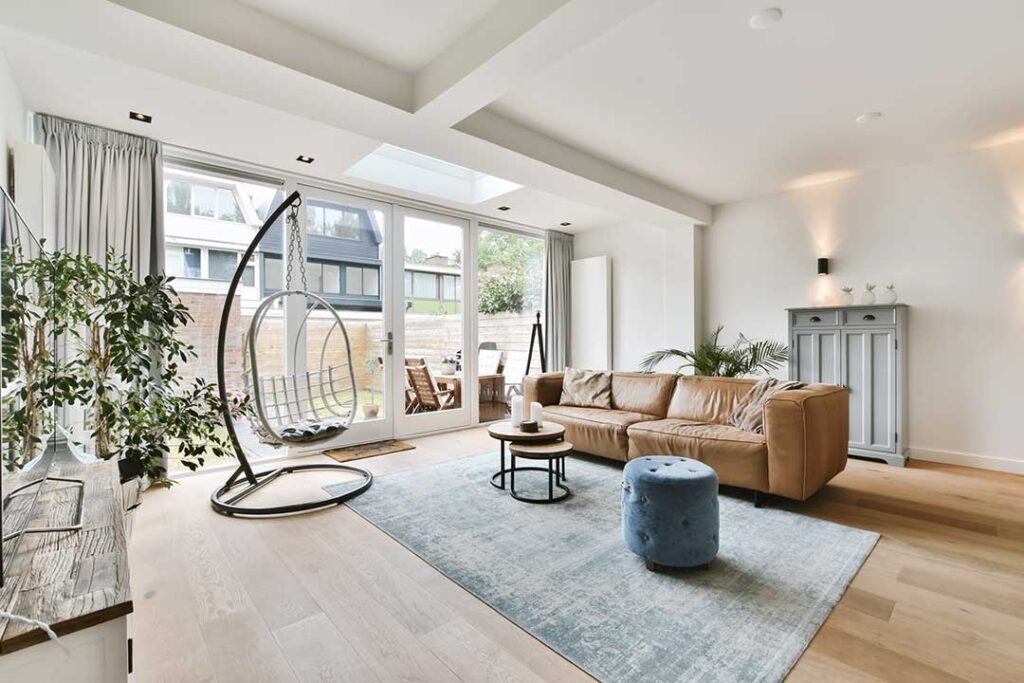
What Are the Most Common Red Flags During a Home Viewing?
It's normal to focus on layout and decor, but underlying concerns matter most during a walk-through. In Greeley, CO, factors like our changing seasons, variable soil conditions, and a wide range of building ages mean hidden issues can surface in surprising ways. Residents touring local homes should pay attention to signs of deeper problems that might not be obvious at first glance.
How Can Signs of Water Damage Be Spotted?
Stains, musty odors, and warped surfaces often mean water problems. Greeley’s mix of older homes and newer developments means both basements and attics deserve close inspection. Look for:
- Discoloration or dark patches on ceilings and walls, especially around windows or in basements
- Soft spots or buckling in floors, particularly near bathrooms or around exterior doors
- Peeling paint, bubbling drywall, or warped trim
- Persistent damp smells, especially after a wet spring or heavy snowmelt
While many homes experience some water intrusion during wet seasons, patterns of moisture and mold may indicate repeated flooding or chronic leaks.
Are Foundation Cracks Always a Concern?
Not all cracks mean structural trouble—but some can be warning signs. Clay-heavy soils in the area can expand and contract with moisture, causing movement over time. During a viewing:
- Fine, vertical hairline cracks in foundation walls are usually minor and result from normal settling
- Wide, horizontal, or "stair-step" cracks, especially with visible bowing or shifting, suggest more serious movement
- Windows and doors that won’t open or close properly can signal settling or foundation shifts
Repeated or significant cracking may need close attention, especially in homes built on uneven or previously farmed land.
Why Pay Attention to Electrical Systems?
A safe electrical system is crucial for any home. In some Greeley homes—especially those predating major electrical code updates—outdated or overloaded wiring can still be present. During a viewing, note:
- Scarce or oddly placed outlets, extension cords in use, or covered electrical panels
- Evidence of charred outlets, frequently blown fuses, or flickering lights when fixtures are tested
- Missing or outdated GFCI outlets in bathrooms, kitchens, or laundry areas
- Exposed wiring, especially in basements, garages, or additions
Minor visible issues could mask deeper concerns with aging wiring—something often overlooked in older properties.
Are Heating and Cooling Systems Easy to Evaluate on a Walk-Through?
No, but signs of age or neglect can be obvious. Local residents rely on both heating and cooling, so reliable systems matter. Look for:
- Rust, corrosion, or pooling water around furnaces, water heaters, or air conditioning units
- Dirty or clogged vents and filters
- Unusual noises or strong smells when units are switched on
Consider asking about service records or the age of major components, since replacement can be costly.
What Should Raise Questions with Roofing and Attic Spaces?
Roof problems can lead to expensive repairs, especially after hail or heavy winter snow. Clues to look for indoors and out:
- Water stains or sagging in upper-level ceilings or attic rafters
- Visible daylight in the attic, which may signal gaps or missing shingles
- Buildup of granules from asphalt shingles in gutters or around downspouts
- Evidence of patchwork or mismatched shingle colors on the roof’s surface
Heavy winds and freeze-thaw cycles common locally can worsen minor roof issues over time.
Do Windows and Doors Signal Deeper Issues?
Absolutely. Windows and doors serve as more than just aesthetic features; they're early warnings for movement, settlement, and efficiency concerns. Note:
- Windows that stick, won’t lock, or show signs of condensation between panes
- Doors that don’t close smoothly or gaps around the frame
- Drafts, especially in older homes or those without recent updates

Draftiness or water leaks can add to heating bills and point to insulation or weatherproofing issues.
Why Pay Attention to Smells and Sounds in the House?
Strange smells or persistent noises can reveal what eyes might miss. Trust your senses—odd “house smells” are often an early clue to bigger issues. Be alert for:
- Persistent pet, smoke, or musty odors that cleaning may not resolve
- Mechanical humming, clanks, or “water hammer” in pipes
- Creaking or popping that sounds excessive for the house’s age
If the home feels unusually noisy, it may point to issues with plumbing, HVAC, or even structural movement.
Are Cosmetic Fixes Sometimes a Cover-Up?
Yes—fresh paint, new carpet, or staged furniture sometimes conceal real concerns. While updates are normal, look for:
- Unusual paint patterns or textures on one wall or ceiling area
- Rugs or furniture clustered oddly—possibly hiding damaged flooring
- Newer covering materials in small patches rather than across whole rooms
Quick cosmetic upgrades can sometimes signal recent repairs, especially after water or fire damage.
What About the Outdoors—Should Landscaping or Exterior Features Be Checked?
Exteriors give important clues, particularly for Greeley’s varied weather. Walk the yard and perimeter:
- Signs of pooling or poor drainage near foundations, which can cause water problems indoors
- Wood decks, fences, or exterior trim with rot, warping, or insect damage
- Cracks in driveways and walkways that slope toward the house
Healthy landscaping and effective grading help prevent many interior headaches later.
How Can Residents Prepare Before and After a Viewing?
Preparation improves the chances of spotting these red flags. Bring a small flashlight, wear comfortable shoes, and take notes or photos for later reference. After the visit, consider:
- Discussing any concerns with a trusted resource or local housing inspector if needed for health, safety, or major legal compliance
- Researching public records for the home, such as permit history or past insurance claims
- Comparing findings across several viewings to spot patterns common in the community
Developing a careful eye helps area residents make more confident decisions and avoid unexpected challenges.